

Building Public Trust with Transparent Policing
Jeff Gottstein • 11/06/2025
Building Public Trust with Transparent Policing
Building Public Trust with Transparent Policing has become a central theme in modern conversations about public safety. Communities across the nation are demanding greater transparency into how agencies operate, how incidents are handled, and how accountability is enforced. Trust is no longer something that can be assumed; it must be actively earned through openness, fairness, and the responsible sharing of information. For law enforcement leadership and municipal decision-makers, this expectation represents both a challenge and an opportunity.
Informing the Community
At its core, transparency in policing is about creating a relationship where citizens feel informed rather than excluded. When individuals have access to official information—incident summaries, verified video, and timely updates—they are less likely to rely on speculation or misinformation. By providing accurate details, agencies can mitigate the impact of rumor-driven narratives and instead establish confidence through factual information.
The Role of Technology
Technology plays a vital role in achieving this vision. Dedicated platforms designed for transparency provide agencies with secure, structured tools to share information while protecting sensitive data. These systems are designed to streamline communication between departments and communities, ensuring that important updates are delivered promptly and responsibly. The goal is not just to react after a high-profile event but to proactively maintain channels of trust that reassure the public daily.
A Framework for Trust
Establishing this framework requires careful balance. Agencies must present incident information clearly, maintain verified communication channels, and share official context responsibly, all while making sure citizens have access to the information they need. When done correctly, transparency platforms can transform community relationships, shifting the dynamic from skepticism to partnership.
Equally important is the cultural signal that transparency sends. By consistently sharing updates and making processes visible, agencies demonstrate that accountability is not an afterthought but a guiding principle. Over time, these practices build a foundation of credibility that strengthens community resilience in times of crisis. Even when difficult incidents occur, departments that have invested in openness are better positioned to maintain trust because they have established a record of honesty and accessibility.
This article explores the essential elements of transparent policing today: the growing demand for openness, the features of successful platforms, and how access to information fosters stronger community bonds. By examining these themes, agencies can better understand how to leverage modern solutions to strengthen accountability, protect sensitive information, and ultimately build lasting trust with the communities they serve.
The Growing Demand for Law Enforcement Transparency
Across the country, the call for greater law enforcement transparency has grown louder. Communities are asking agencies to not only protect public safety but also to demonstrate accountability in how they conduct investigations, handle incidents, and communicate outcomes. This demand is fueled by high-profile events and nationwide conversations that underscore the need for timely, accurate, and accessible information. In this context, transparency is not a passing trend; it is a structural expectation shaping the future of public safety.
At the heart of this shift is the recognition that trust is built when citizens feel they have access to facts directly from official sources. In the absence of clear information, the public often turns to social media or informal channels, where speculation and misinformation can dominate. By contrast, when agencies provide verified updates, video summaries, and official statements, they create a more stable and reliable narrative.
The Role of a Police Transparency Portal
A police transparency portal is designed to meet this need. Acting as a single, trusted hub, it allows citizens to access case updates, official footage, and incident summaries in one place. This centralized access reduces confusion, eliminates the need to search across multiple platforms, and reinforces the agency’s commitment to openness. During high-profile events, such portals can play a critical role in calming uncertainty by ensuring that the facts are available quickly and clearly.
Key Benefits:
- Routine access to incident information
- Community alerts and oversight-ready updates
- Establishes an ongoing culture of openness
- Transforms community perception towards partnership
Ultimately, the growing demand for transparency reflects a deeper societal expectation: that public institutions must be answerable to the people they serve. By embracing tools like a police transparency portal, agencies position themselves not only to respond successfully in moments of scrutiny but also to build lasting relationships grounded in trust, clarity, and respect.
What a Transparency Platform Must Deliver
For transparency to succeed in modern policing, agencies need more than good intentions—they require technology that can support consistent, secure, and user-friendly communication with the public. A transparency platform is not just a website; it is a structured system that enables departments to share critical information responsibly, while maintaining the safeguards necessary to protect sensitive data and ensure secure communication.
1
Accessibility
Public-facing portals should be customizable, branded with departmental logos and colors, and simple to use without requiring dedicated IT staff. These portals allow agencies to post incident summaries, share video or audio clips, and publish updates in ways that are intuitive for community members. By presenting information clearly, agencies can reduce confusion and ensure the public receives verified facts directly from official sources.
2
Security
Equally important is security. Agencies must balance openness with the protection of sensitive information. Secure storage and delivery mechanisms protect evidence from tampering while ensuring that only the intended audience has access to the right level of detail. Metadata tracking and access logs add another layer of accountability, allowing departments to see who has viewed specific posts and when. This capability helps agencies prepare timely messaging and demonstrates a commitment to responsible oversight.
3
Scalability
Scalability is also essential. From small-town departments to large municipal agencies, solutions should adapt to different operational sizes without sacrificing functionality. Customization ensures that each agency can implement features relevant to their specific needs, whether that is supporting multilingual communities, publishing frequent alerts, or managing high volumes of media content.
The effectiveness of these systems relies on clear communication tools that help agencies present official incident information consistently and verify their identity when communicating with citizens. When designed with these features in mind, transparency platforms become more than communication tools—they become trusted bridges between agencies and the communities they serve, fostering openness, accountability, and long-term trust.
Building Community Trust Through Information Access
For communities, trust in law enforcement is often built not in dramatic moments but in the quiet, everyday ways agencies choose to communicate. Information access is at the heart of this process. When departments proactively share official updates, verified video clips, and incident summaries, they signal a commitment to accountability and fairness. Instead of waiting until controversy arises, agencies that make transparency routine establish a baseline of openness that can prevent tension and build long-term confidence.
The Information Vacuum
The impact of this approach becomes clear when public attention focuses on a specific incident. In the absence of timely communication, social media and informal networks often fill the gap with speculation, unverified claims, or even deliberate misinformation. This “information vacuum” can quickly erode trust and escalate community concern.
The Official Channel
By contrast, when law enforcement takes the initiative to release verified updates through an official channel, it changes the narrative. Citizens no longer need to guess at what happened—they have access to the facts in a clear, consistent format.
A well-designed transparency platform can serve as this official channel. Public-facing dashboards allow community members to view non-sensitive bodycam footage, incident timelines, and official statements in one trusted space. Instead of piecing together details from fragmented sources, citizens gain confidence from knowing that the information is accurate and directly from the agency. These dashboards also create a sense of fairness: if all members of the community have equal access to the same information, the perception of bias or selective communication is reduced.
The Power of Verified Communication
This is where verified communication plays a critical role. Guardian4D’s verification system allows citizens to confirm they are receiving information from legitimate law enforcement sources. Through both proximity-based and remote verification methods, agencies can establish trust in their communications while ensuring that official incident information is presented clearly and consistently.
The mechanics of verified communication focus on establishing trust between agencies and citizens. This includes officer identity verification through secure technology, official incident portals that provide consistent information, and clear communication channels that citizens can trust are authentic. These measures create an auditable trail that reassures both oversight committees and the public that transparency is being delivered responsibly. Importantly, security does not mean limiting transparency—it means enabling it in a way that upholds both protection and trust.
Beyond technical standards, the design of these publishing systems must consider usability. Community members need a simple, intuitive way to access public information. A portal that is overloaded with jargon or difficult to navigate undermines its purpose. Instead, platforms should offer clear categories, searchable archives, and mobile-friendly access to ensure citizens of all backgrounds can engage with the material. Agencies that prioritize accessibility reinforce the message that transparency is not just a checkbox but a genuine effort to include the community.
Analytics built into these platforms provide further value. By tracking engagement—such as clicks, time spent on pages, and video views—agencies can better understand what information citizens find most important. These insights allow departments to tailor their communication strategies, focusing on clarity in areas where confusion may arise. This feedback loop strengthens the relationship between agencies and the communities they serve by showing responsiveness to citizen needs.
Ultimately, secure information handling ensures that sensitive details are managed responsibly within internal systems, protecting the privacy, dignity, and safety of individuals involved. At the same time, structured publishing processes demonstrate that transparency and responsibility are not in conflict but aligned. This approach not only prevents the erosion of trust in times of crisis but also fosters a deeper sense of partnership in daily community life. Over time, consistent, secure information access becomes one of the strongest tools law enforcement has for building enduring public trust.
Verified Communication and Public-Facing Systems
When discussing transparency in modern policing, one of the first questions that arises is: how can agencies ensure citizens trust the information they’re receiving? The answer lies in verified communication systems that confirm the authenticity of police communications and incident information. Establishing trust requires that citizens can verify they are receiving information from legitimate law enforcement sources, not from impostors or unofficial channels. This verification forms the foundation for any meaningful transparency initiative.
Core Security Features
Modern transparency platforms must be built with security in mind from the ground up. These security measures protect both the agency and the community while enabling open communication.
The challenge is to integrate these safeguards without creating barriers to the very transparency they are meant to support. This is where secure publishing systems become indispensable. Platforms designed with security best practices allow agencies to release verified information to the public while maintaining a clear separation from internal evidence systems. For example, a department-branded transparency portal might host approved bodycam footage or incident summaries. Although the content is made available for public viewing, the underlying infrastructure remains partitioned and secure, ensuring no unauthorized access to sensitive law enforcement networks.
Auditing is another critical component. Secure systems provide detailed logging of user actions, from who accessed a file to when it was downloaded or viewed. These logs are not just internal safeguards—they also build credibility with oversight committees and the community by showing that transparency processes are accountable at every step. Analytics built into public-facing portals, such as tracking clicks and time spent on pages, further extend this accountability, allowing agencies to refine how they communicate with the public based on actual engagement patterns.
Importantly, security is not a one-time milestone but an ongoing commitment. Threats evolve, and so must the systems that protect information. Modern transparency platforms are designed to update security protocols as best practices change, ensuring agencies remain protected while still meeting the public’s demand for timely access. This adaptability is especially important for departments of different sizes. A small rural agency may not have the same resources as a large urban department, but with scalable, cloud-based solutions that embed security best practices, both can maintain secure public communication without overburdening their IT staff.
By adopting secure publishing systems with verified communication, agencies demonstrate that transparency and security are not competing priorities but complementary goals. Citizens gain confidence that the information they are viewing is accurate, verified, and responsibly shared, while agencies can rest assured that their systems remain secure. The result is a balance where openness does not come at the expense of safety, and public expectations are met through responsible information sharing.
Failing to implement secure, verified communication systems risks more than just technical vulnerabilities—it risks the erosion of public trust. Conversely, agencies that prioritize both security and accessibility position themselves as leaders in modern, accountable policing. A public-facing system that is both transparent and secure does more than share data; it builds a durable bridge of trust between law enforcement and the communities they serve.
Balancing Transparency with Operational Security
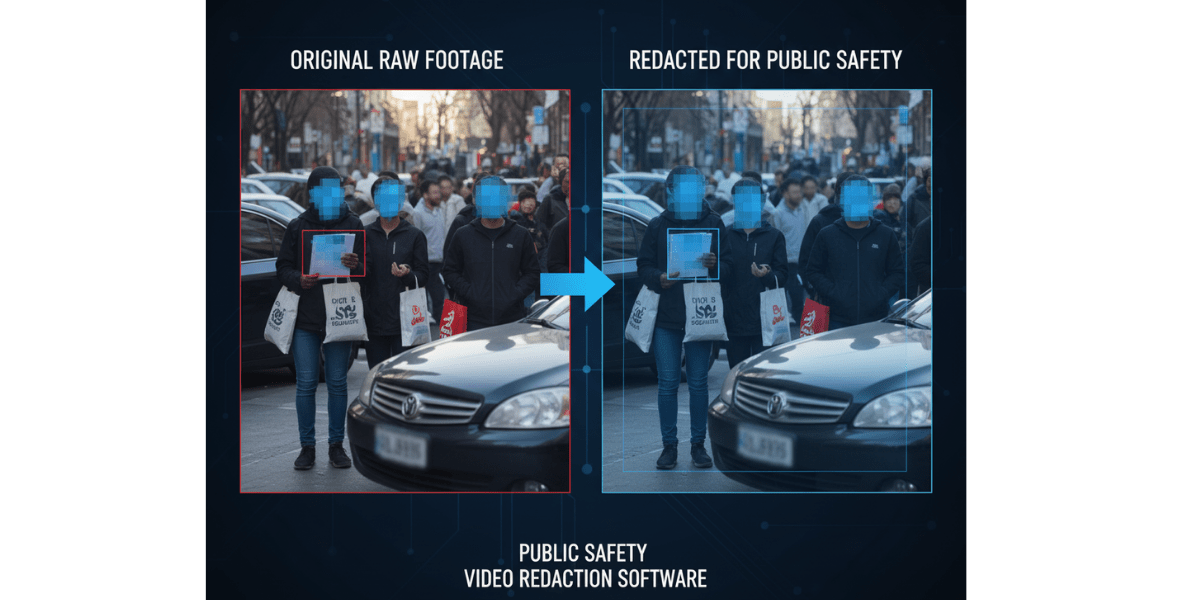
One of the most complex aspects of transparent policing is finding the balance between the public’s right to access information and the obligation to protect individual privacy. Citizens increasingly expect agencies to share bodycam footage, interview recordings, and incident summaries. Yet these materials often contain sensitive details: the faces of victims, the identities of minors, or confidential elements of ongoing investigations. Releasing such information without careful review can cause harm, compromise cases, or even endanger lives. For transparency to be meaningful and sustainable, agencies must balance openness with the protection of ongoing investigations and individual privacy rights.
| The Challenge and The Solution |
|---|
| The challenge is not whether information should be shared, but what information should be shared and when. This is where organized incident presentation plays a vital role. Guardian4D’s Incident Transparency portal allows agencies to share official incident summaries, provide context, and present their perspective in a structured way that helps communities understand events while respecting all parties involved. By carefully selecting which information to release and providing proper context, agencies can inform the community while protecting sensitive details of ongoing investigations and respecting individual privacy. |
The process of determining what to share requires thoughtful policies and clear guidelines. Departments often establish criteria that consider local laws, departmental standards, and the circumstances of each case. For instance, information about minors is almost always protected, while sensitive details that could interfere with an ongoing investigation may need to be withheld until the case is resolved. Agencies may also choose not to share graphic or disturbing content out of respect for victims and their families. This careful calibration ensures that transparency does not come at the expense of compassion or case integrity.
Technology simplifies this process by providing structured workflows for information review and release decisions. Modern platforms help staff apply consistent policies across large volumes of material, ensuring that what is shared aligns with departmental guidelines and legal requirements. Clear approval processes and tracking mechanisms reduce the burden on personnel while maintaining consistency in what information is made public.
Striking the right balance also involves communication. Agencies must clearly explain to the public why certain information may not be immediately available or why some details are withheld. This transparency about the process reinforces the message that withholding certain details is not about hiding information but about protecting individuals and preserving case integrity. When citizens understand that protecting certain information safeguards victims, minors, or sensitive operations, they are more likely to view the agency’s actions as fair and principled.
The importance of this balance extends beyond individual cases. In an era where misinformation can spread quickly, having official, verified content available ensures that the public is engaging with accurate information from legitimate sources. Search trends show that the majority of users never go beyond the first page of results—so if agencies fail to provide accessible, accurate content, speculation often fills the void. By publishing verified official information, departments can ensure their perspective is visible and trusted, reducing reliance on rumor or incomplete accounts.
Ultimately, the coexistence of transparency and privacy demonstrates an agency’s commitment to both accountability and humanity. By using structured publishing systems, departments can release official information that informs the public while protecting sensitive details. This approach shows that technology, when implemented thoughtfully, is not only about security—it is about responsible communication. Agencies that embrace this balance position themselves as guardians not just of law and order but of the dignity and trust of the communities they serve.
Conclusion: Building Trust Through Technology
Transparency is no longer optional—it is an expectation that shapes how communities perceive and interact with their local agencies. By adopting platforms designed for accountability, law enforcement can provide citizens with verified information, safeguard sensitive data, and demonstrate that fairness and responsibility guide every decision. Features such as verified communication, secure portals, and engagement analytics are not just technical tools; they are building blocks for stronger, lasting relationships with the public.
Guardian4D supports agencies in this mission. By focusing on verification-first technology, transparency features, and secure publishing systems, we help departments modernize communication and build trust through openness.
Ready to strengthen transparency in your agency? Explore Guardian4D’s verified communication and transparency tools, designed to share information securely, support accountability, and build lasting public trust.