
Pursuit & Use of Force Analysis: Improving Oversight with Integrated Tools
Jeff Gottstein • 11/06/2025
What is pursuit and use of force analysis?
Pursuit and use of force analysis refers to the systematic review of incidents where officers engage in vehicle pursuits or apply physical force. The goal is to evaluate whether policies were followed, identify risks, and provide agencies with actionable insights for accountability.
This process includes reviewing video, audio, and reports to build a clear sequence of events. By creating structured timelines, agencies ensure both leadership and the public can understand what occurred.
Why is the pursuit and use of force analysis important for oversight?
Pursuit analysis and use of force reporting software are critical oversight mechanisms because they:
Provide transparency into decisions made during high-stress events.
Document whether actions align with department policy.
Help agencies identify training needs and policy gaps.
Reassure communities that incidents are thoroughly reviewed.
Oversight bodies, internal affairs, and municipal leaders rely on these reviews to strengthen public trust and reduce liability.
How do integrated tools improve pursuit and use of force analysis?
Integrated platforms streamline the process by consolidating multiple evidence sources into one environment. When pursuit analysis software and use of force reporting software are combined with broader digital review tools, agencies gain:
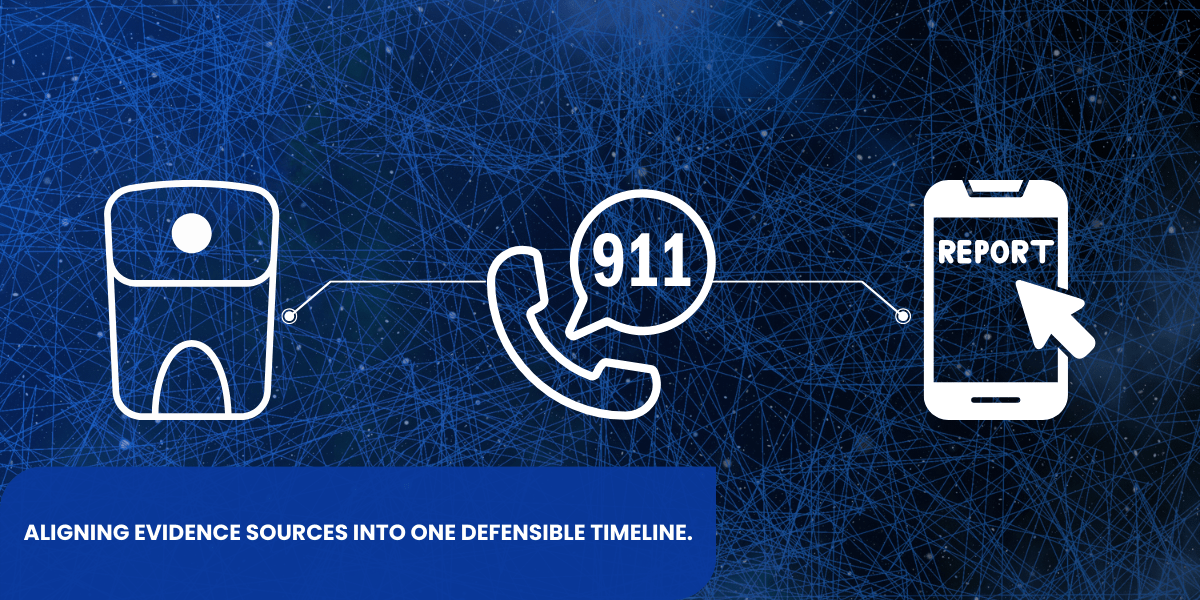
Multi-perspective timelines that align bodycam footage, dispatch audio, and reports.
Searchable transcripts and metadata that highlight key terms such as “vehicle pursuit” or “physical restraint.”
Audit trails that document each step of the review for defensibility.
This integrated approach reduces errors, speeds up investigations, and ensures consistent oversight.
What features support better oversight with digital tools?
Modern oversight solutions are designed to provide:
| Feature | Description |
|---|---|
| Incident Storyboard | Synchronize evidence into a spatial-temporal timeline. |
| Keyword search in evidence | For quickly locating critical details. |
| Incident Transparency portals | Share official updates and reduce misinformation. |
| Role-based access controls | Safeguard sensitive information while maintaining accountability. |
Together, these features help agencies transform large volumes of raw data into structured narratives that can be reviewed by leadership, legal teams, and the public when appropriate.
How does Guardian4D support pursuit and use of force analysis?
Guardian4D’s verification-first design and transparency tools are built to enhance oversight without replacing existing evidence systems. With pursuit analysis software and use of force reporting software integrated into broader workflows, Guardian4D enables agencies to:
Align multiple perspectives for a defensible timeline.
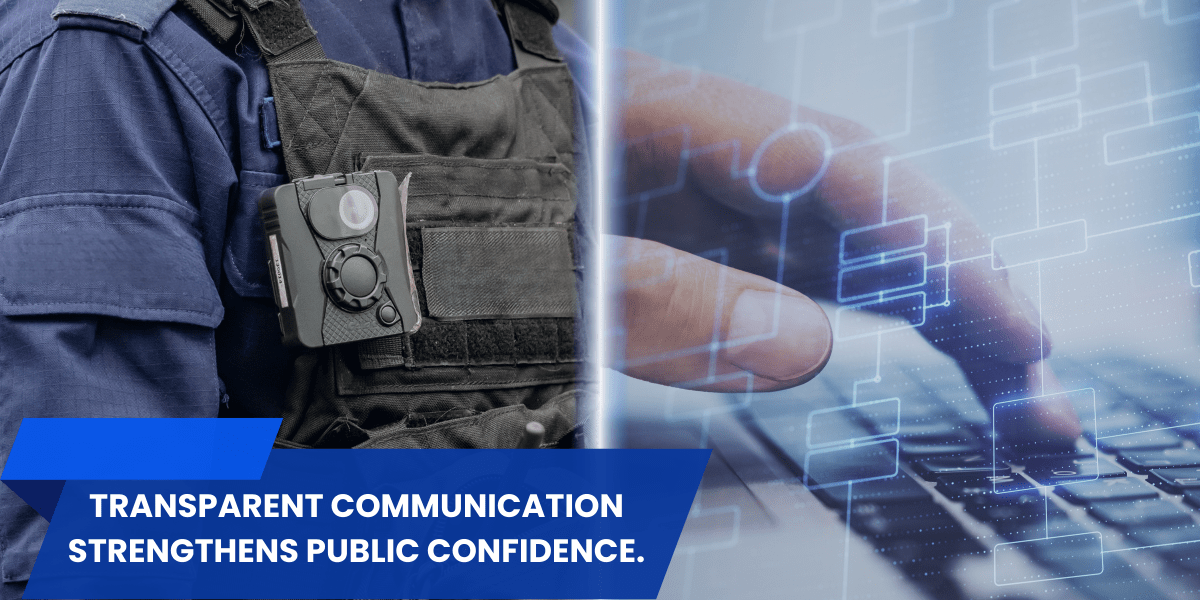
Provide centralized portals for public communication.
Reduce administrative burdens through streamlined evidence review.
This approach reinforces accountability and gives agencies a trusted path for handling complex incidents.