

Community Policing in the App Era: What Agencies Need to Know
Jeff Gottstein • 06/11/2025
Community policing is evolving, and mobile applications are rapidly transforming how public safety agencies connect with citizens. In an increasingly digital world, these platforms empower law enforcement to foster trust, enhance transparency, and optimize resources, moving beyond traditional methods to meet modern community expectations. This article explores how a community policing app platform can redefine officer-citizen interactions and support a proactive, engaged approach to public safety.
How Apps Support Community-Oriented Policing
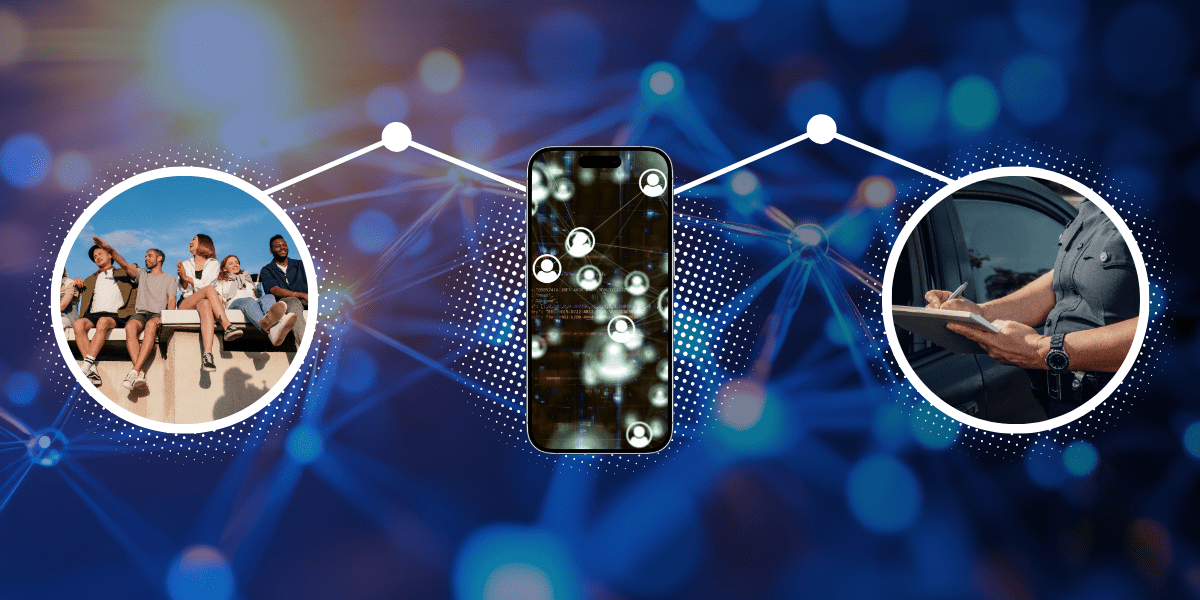
Apps translate the philosophy of community policing into action by enabling real-time communication, fostering transparency, and building trust between law enforcement and the public. The core vision of these solutions is to “bridge the gap” between citizens and law enforcement. By providing clear, official channels, a community policing app helps overcome the noise of social media, offering a single trusted portal for official information.
1. Real-Time Communication
Provides direct channels for agencies to share urgent alerts and crucial updates with the community.
2. Enhanced Transparency
Acts as a single, trusted source for official information, reducing reliance on unverified sources.
3. Stronger Trust
Builds confidence through features like real-time officer identity verification for secure interactions.
This digital bridge allows for proactive engagement, where departments can share crucial updates and citizens can access verifiable information. Features like Beacon Verification and Manual Verification are central to building this trust, allowing citizens to confirm an officer’s identity in real-time during an in-person interaction or remotely during a video call.
Custom Features for Local Needs
Police agency app platforms can be most effective when focused on clear, trusted communication. Within Guardian4D, this takes the form of Incident Transparency, a centralized portal where agencies share crucial information directly with the community. From urgent safety alerts to public announcements, the portal ensures consistent messaging without requiring complex IT resources—an important advantage for smaller departments with limited administrative capacity. This is particularly valuable for smaller departments operating with limited administrative resources.
Also, the integrated suite of tools, such as the citizen-facing and the officer-facing, exemplifies this tailored approach.
What Citizens Expect from Agency Apps
Citizens today expect intuitive user experiences, real-time responses, and robust safety assurances from digital platforms, with identity verification serving as a crucial foundation for trust. Verification is consistently highlighted as the “highest priority feature”. This capability allows citizens to confirm an officer’s identity using features like a Bluetooth-enabled beacon for close proximity checks or a unique code for remote interactions. Such verification not only protects citizens from impersonation but also safeguards officers from false accusations, fostering secure, verified trust between the public and law enforcement.
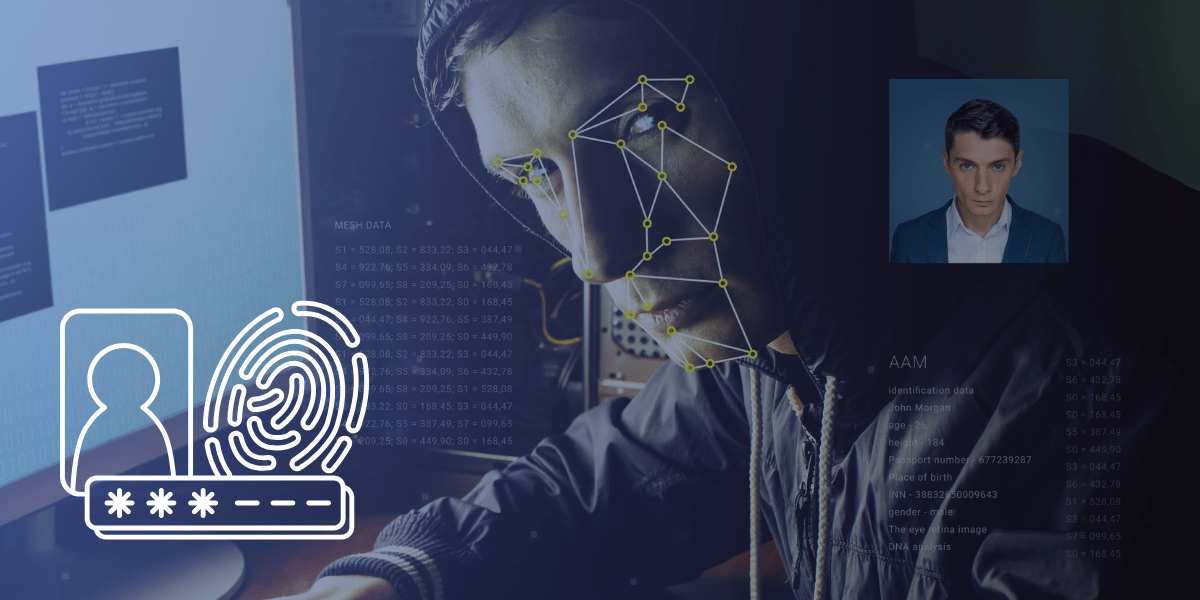
For instance, in a scenario where an officer approaches a citizen’s home, the beacon feature can provide instantaneous verification, immediately establishing trust. Furthermore, the Video Call feature allows for direct, personal communication without the potential intimidation of a physical presence, offering a more comfortable interaction option. This aligns with a broader societal shift; 70% of B2B customers prefer digital self-serve and remote human interaction before reaching out to a salesperson or a company rep, indicating a strong preference for digital engagement channels. Transparency features like Incident Transparency also play a vital role, offering a secure, centralized hub for official incident information, effectively cutting through speculation and misinformation on social media. For a deeper understanding of this critical aspect, explore Why Identity Verification Is Key for Safe Officer-Citizen Interactions.
70%
of customers prefer digital and remote interactions, signaling a major shift in expectations for all service providers, including public safety agencies.
Leveraging App Data for Better Resource Allocation
A modern law enforcement communication platform offers sophisticated analytics that provide agencies with valuable insights from app usage data, leading to more informed decisions and efficient resource allocation. These platforms track metrics such as clicks, views, and time spent on incident posts, allowing agencies to understand which information resonates most with the public. Such analytics can alert agencies when an incident is garnering significant attention, enabling them to proactively manage messaging and prepare communications.
The overall benefit is a comprehensive and real-time view of incidents, allowing them to make informed decisions and allocate resources efficiently. While this directly impacts operational efficiency, the Incident Storyboard feature further enhances resource utility by organizing incident media into a spatial-temporal timeline. This tool, designed for training and post-incident review, allows agencies to sync body cams, 911 calls, and videos, providing multi-perspective learning that improves situational awareness and future responses. These tools contribute to a broader strategy of data-driven decision-making, improving both responsiveness and accountability.
Examples of Successful Deployments
Agencies leveraging modern communicatio have seen improved public engagement, faster response capabilities, and enhanced community safety through their strategic deployments. A compelling example of rapid digital deployment comes from a pharmaceutical research organization that pivoted to provide COVID-19 testing during the pandemic. Despite having no prior experience in disease testing, this organization used a similar platform methodology to launch a new blog on a subdomain. In less than four hours after going live, their site received organic traffic for “COVID-19 testing” and achieved Page One rankings overnight for dozens of related terms, resulting in millions in revenue and the testing of tens of thousands of individuals. This demonstrates the speed and impact achievable with such platforms in responding to critical public needs.
Another instance highlights the power of multi-perspective review for training. In a suicide-by-cop case, an agency utilized the Incident Storyboard feature to create a clear timeline by syncing 911 calls and bodycam footage. This comprehensive view was then used for impactful training, providing invaluable insights for future critical incidents. Beyond individual cases, these platforms also stand out for their rapid implementation. Deployment is almost immediate and depends more on community adoption campaigns than on complex technical integrations. This efficiency enables agencies to quickly establish verifiable and transparent communication channels, fostering trust and actively engaging communities.
Case Study Highlights
Rapid Deployment: COVID-19 Response
A platform methodology allowed a new public health service to go live and achieve Page One rankings in less than 24 hours, demonstrating immense speed and impact.
Advanced Training: Incident Review
The Incident Storyboard feature was used to sync bodycam and 911 calls, creating a powerful, multi-perspective training tool for future critical incidents.
Final Thoughts
The digital transformation of policing offers a clear path to strengthening community ties. A modern community policing app platform enhances public safety through verifiable interactions and transparent communication. By adopting a comprehensive police agency app platform, law enforcement can optimize resources and meet citizen expectations for trust.
Discover how Guardian4D can transform your law enforcement communication platform and cultivate stronger community engagement. Explore our Next-Generation Citizen Engagement hub or learn more at Why Identity Verification Is Key for Safe Officer-Citizen Interactions.