

Modern Digital Evidence Management: Community Engagement and Transparency
Jeff Gottstein • 06/11/2025
In today’s evolving public safety landscape, digital evidence management extends far beyond secure storage and chain of custody. While agencies have robust systems for collecting and storing digital evidence, the real challenge lies in transforming this evidence into tools for community engagement, transparency, and trust building. Modern digital evidence management now encompasses not just the preservation of multi-media evidence, but also its presentation, analysis, and transparent communication with communities.
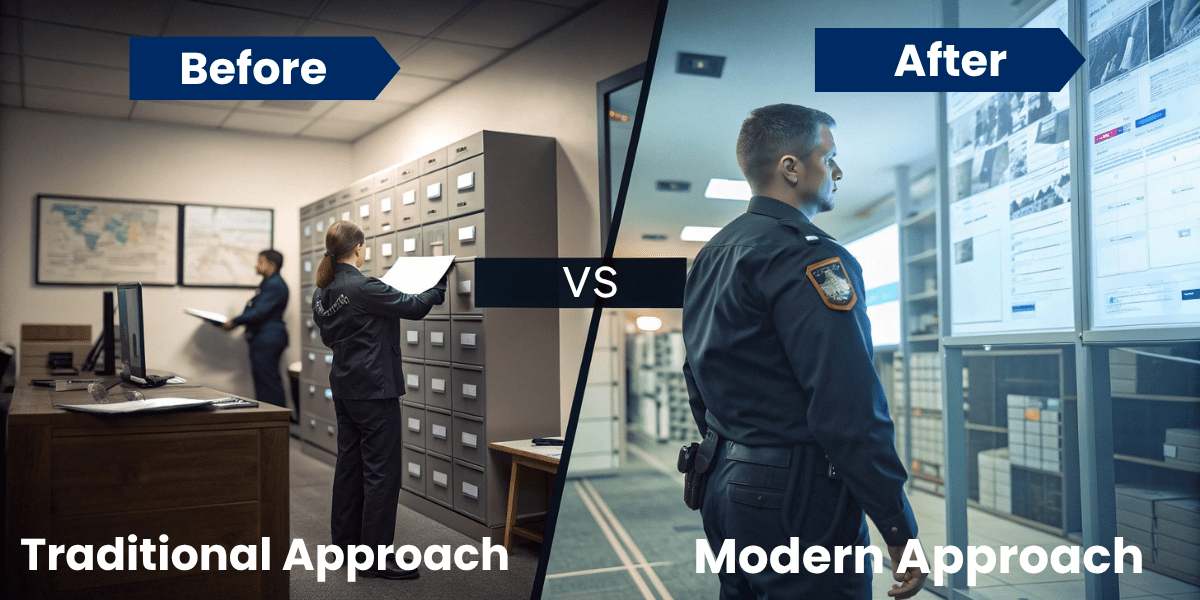
Traditional Approach
The traditional approach to digital evidence management focused primarily on internal operations—ensuring files were securely stored, maintaining the chain of custody, and preparing materials for legal proceedings.
Modern Demands
However, contemporary public safety demands go beyond courtroom defensibility to include community transparency, incident presentation, and tools that help agencies build trust through clear, organized communication about critical incidents.
This evolution represents a fundamental shift in how agencies approach digital evidence management, moving from reactive storage solutions to proactive community engagement platforms that serve both internal affairs needs and community relations objectives. Guardian4D exemplifies this new approach, providing tools that work alongside existing evidence storage systems to create transparency, facilitate community communication, and strengthen police-community relationships.
What Is Digital Evidence Management and Why It Matters
Digital evidence management encompasses the centralized, secure, and trackable storage and review of multimedia and digital files used in investigations. In its traditional form, this includes bodycam footage, 911 audio, surveillance video, and digital documents that form the foundation of modern investigations. However, contemporary digital evidence management has expanded to include the presentation, analysis, and transparent communication of this evidence to multiple stakeholders.
Modern digital evidence management ecosystems must serve diverse audiences: investigators need organized access for case development, internal affairs teams require comprehensive review capabilities, legal teams need court-ready presentations, and increasingly, communities expect transparent and understandable explanations of critical incidents. This multi-audience approach transforms digital evidence management from a purely technical function to a comprehensive community engagement tool.
Digital evidence management plays a crucial role in ensuring not only the integrity and defensibility of cases in law enforcement and legal sectors, but also in building community trust through transparency and accountability. When agencies can quickly organize evidence into clear, understandable presentations, they can communicate more effectively with communities during critical incidents, reducing speculation and building confidence in public safety operations.
The modern approach to digital evidence management recognizes that evidence serves multiple purposes: supporting investigations, ensuring legal defensibility, providing training materials, and enabling transparent communication with communities. This comprehensive view requires platforms that can organize, analyze, and present evidence in ways that serve all these functions while maintaining the security and integrity essential for legal proceedings.
Challenges in Managing Multi-Media Evidence at Scale
Managing multi-media evidence in today’s public safety environment presents complex challenges that extend beyond traditional storage and custody concerns. Modern policing generates enormous volumes of digital evidence—bodycam footage, dispatch audio, surveillance streams, and citizen-submitted materials—all of which must be organized not just for investigative purposes, but also for potential community transparency and training applications.
Actionable Insights
The most significant challenge agencies face is transforming stored evidence into actionable insights for multiple audiences. While evidence may be securely stored in existing systems, creating organized presentations for internal affairs reviews, community transparency initiatives, or training programs often requires manual processes that are time-intensive and prone to inconsistencies. This challenge is compounded when agencies need to respond quickly to community demands for information about critical incidents.
Operational Hurdles
Multi-media evidence platforms must address several specific operational challenges. Siloed systems create fragmentation where bodycam footage might be stored separately from dispatch audio and surveillance video, making it difficult to create comprehensive incident presentations. Manual upload processes and review workflows delay the availability of evidence for both investigative and transparency purposes, particularly problematic when communities expect rapid information sharing during high-profile incidents.
Integrity and Connectivity
File corruption and lost chain of custody remain critical concerns, but modern multi-media evidence platforms must also ensure that evidence can be quickly organized and presented without compromising integrity. Large video files present particular challenges for real-time upload from field devices, especially in rural areas with limited connectivity. Additionally, syncing data across agencies during multi-jurisdictional incidents requires platforms that can maintain evidence integrity while enabling collaborative review and presentation.
Volume and Scale
The scale of digital evidence amplifies these challenges significantly. A single bodycam can generate hours of footage daily, multiplied across entire departments and combined with dispatch audio, surveillance streams, and citizen submissions. Managing this volume requires not just storage capacity, but also sophisticated organization and presentation capabilities that can serve investigative, training, and transparency needs simultaneously.
Human Dimension
Modern multi-media evidence platforms must also address the human dimension of evidence management. Public safety professionals need confidence that their evidence systems can support both internal affairs investigations and community transparency initiatives without compromising operational security or legal requirements. When evidence cannot be quickly organized and presented in understandable formats, it undermines both investigative effectiveness and community trust.
How Integrated Platforms Improve Investigative Timelines
Integrated platforms transform investigative workflows by centralizing evidence organization and presentation capabilities, enabling agencies to serve multiple stakeholders—investigators, internal affairs teams, legal counsel, and communities—through unified systems. Rather than managing separate workflows for different audiences, modern incident storyboard software creates comprehensive presentations that support all evidence review and communication needs.
The benefits of centralized platforms with built-in analytics, timestamp search, and auto-categorization extend beyond traditional investigations to include community engagement and transparency applications. When agencies can quickly organize evidence from multiple sources into coherent visual timelines, they can respond more effectively to both internal affairs inquiries and community questions about critical incidents. This dual capability transforms evidence management from a purely investigative tool to a comprehensive community relations asset.
Incident storyboard software demonstrates this integrated approach effectively. By organizing incident media into spatial-temporal timelines, agencies can synchronize bodycam footage, 911 calls, and surveillance video to create comprehensive presentations that serve multiple purposes. Investigators gain multi-perspective understanding of incidents, internal affairs teams can conduct thorough reviews, and agencies can create transparent explanations for community engagement initiatives.
Workflow Improvements in Action
Examples of improved workflows illustrate the transformative potential of integrated platforms. Instant evidence upload from field devices enables real-time review access for supervisors and internal affairs teams while simultaneously supporting rapid community communication during evolving incidents. Cross-departmental collaboration becomes seamless when multiple agencies can access organized evidence presentations through unified platforms, particularly valuable during multi-jurisdictional incidents that attract community attention.
Case studies demonstrate significant improvements in investigative timelines when agencies implement integrated platforms. A recent use-of-force incident that previously would have required days of manual evidence review was organized and presented within hours using incident storyboard software. This rapid organization supported both the internal affairs investigation and enabled the agency to provide transparent community communication about the incident, reducing speculation and building trust through clear information sharing.
The training applications of integrated platforms provide additional value by transforming investigated incidents into learning opportunities. When evidence is organized through incident storyboard software, agencies can create comprehensive training materials that demonstrate decision-making processes, policy applications, and community interaction strategies. This training value extends community benefits by demonstrating how agencies learn from critical incidents and improve their practices.
Live review access capabilities enable commanders and internal affairs supervisors to monitor developing situations in real-time, providing guidance and ensuring policy compliance while incidents unfold. This immediate oversight capability supports both operational effectiveness and community trust by ensuring that incidents are properly managed and documented from the beginning.
Building a Modern, Defensible Evidence Workflow
Modern, defensible evidence workflows must serve dual purposes: maintaining the legal integrity essential for courtroom proceedings while enabling the transparency and community engagement that contemporary public safety demands. Digital evidence management platforms that support both functions create comprehensive solutions that protect agencies legally while building community trust through organized, transparent communication.
| Core Feature | Benefit for a Defensible Workflow |
|---|---|
| Comprehensive Audit Trails | Digital evidence management platforms maintain defensibility through comprehensive audit trails that track every interaction with evidence files. When evidence is accessed for incident storyboard creation, internal affairs review, or community transparency presentations, these interactions are automatically logged and preserved. This comprehensive documentation ensures that evidence handling meets legal standards while enabling the transparency initiatives that build community trust. |
| Role-Based Access Controls | Role-based access controls ensure that sensitive evidence remains restricted to authorized personnel while enabling appropriate community transparency. Internal affairs investigators, community relations officers, and public information personnel can access evidence presentations relevant to their roles without compromising security or legal requirements. This granular access control supports both investigative integrity and community engagement objectives. |
| Encryption & Security Protocols | Encryption and security protocols protect sensitive evidence throughout the workflow, from initial collection through community presentation. Modern digital evidence management platforms ensure that evidence integrity is maintained, whether materials are being reviewed for internal affairs investigations, organized for training purposes, or prepared for community transparency initiatives. This comprehensive security approach protects both legal defensibility and community trust. |
| Version History Tracking | Version history tracking becomes particularly important when evidence is used for multiple purposes. When incident storyboard presentations are created for community transparency, the system preserves complete records of source materials, editing decisions, and presentation choices. This documentation ensures that community presentations maintain legal defensibility while providing the transparency that builds public trust. |
| Standardized Workflows | Standardizing workflows across departments and jurisdictions creates consistency that supports both legal proceedings and community relations. When evidence handling follows established protocols regardless of whether materials are being prepared for internal affairs review, training applications, or community transparency, agencies can maintain legal defensibility while meeting diverse stakeholder needs. |
Digital evidence management platforms that support internal affairs functions while enabling community engagement create comprehensive solutions for modern public safety. These platforms ensure that evidence maintains its legal integrity while serving the transparency and community relations functions that contemporary policing demands.
What to Look for in a Digital Evidence Solution
When evaluating digital evidence solutions, agencies must consider platforms that serve both traditional evidence management needs and contemporary community engagement requirements. Modern solutions should integrate seamlessly with existing storage systems while providing advanced organization, presentation, and transparency capabilities that support comprehensive public safety operations.
Scalability
Scalability remains essential as evidence volumes continue growing, but modern platforms must also scale community engagement and transparency capabilities. Solutions should handle increasing evidence volumes while maintaining the performance needed for rapid incident storyboard creation, internal affairs reviews, and community presentation development. This dual scalability ensures that platforms can grow with agency needs across all operational areas.
CJIS Compliance
CJIS compliance forms the foundation of any evidence solution, but agencies should also evaluate platforms’ capabilities for community transparency and public engagement. Solutions must maintain the highest security standards while enabling appropriate information sharing with communities during critical incidents. This balance between security and transparency requires sophisticated access controls and presentation capabilities.
Redaction & Metadata
Redaction tools and metadata preservation become particularly important when evidence serves both investigative and community transparency purposes. Platforms should enable agencies to create appropriate community presentations while preserving the complete evidentiary record for legal proceedings. This dual capability ensures that transparency initiatives don’t compromise legal defensibility.
Secure Sharing
Secure sharing capabilities must support both inter-agency collaboration and community engagement. Modern platforms should enable seamless evidence sharing between agencies during multi-jurisdictional investigations while also supporting community presentation and transparency initiatives. This comprehensive sharing capability transforms evidence platforms from purely investigative tools to comprehensive community relations assets.
System Integration
Integration with existing systems—RMS, CAD, and internal databases—ensures that evidence platforms enhance rather than complicate agency operations. Modern solutions should work alongside existing infrastructure while providing advanced organization and presentation capabilities that serve investigative, training, and community engagement needs.
Internal Affairs Software
Internal affairs software capabilities are increasingly important as agencies face growing demands for transparency and accountability. Platforms should support comprehensive internal investigations while enabling appropriate community communication about investigation processes and outcomes. This dual capability helps agencies maintain both investigative integrity and community trust.
The most effective digital evidence solutions recognize that modern public safety requires platforms that serve multiple audiences through integrated capabilities. Rather than separate systems for investigations, internal affairs, and community relations, comprehensive platforms enable agencies to manage all evidence-related functions through unified workflows that maintain security while enabling transparency.
Guardian4D: Modern Community Engagement Through Evidence Transparency
Guardian4D represents the evolution of digital evidence platforms toward comprehensive community engagement solutions. Rather than focusing solely on storage and investigation, Guardian4D provides tools that transform stored evidence into vehicles for community transparency, trust building, and strengthened police-community relationships.
Guardian4D’s Integrated Ecosystem
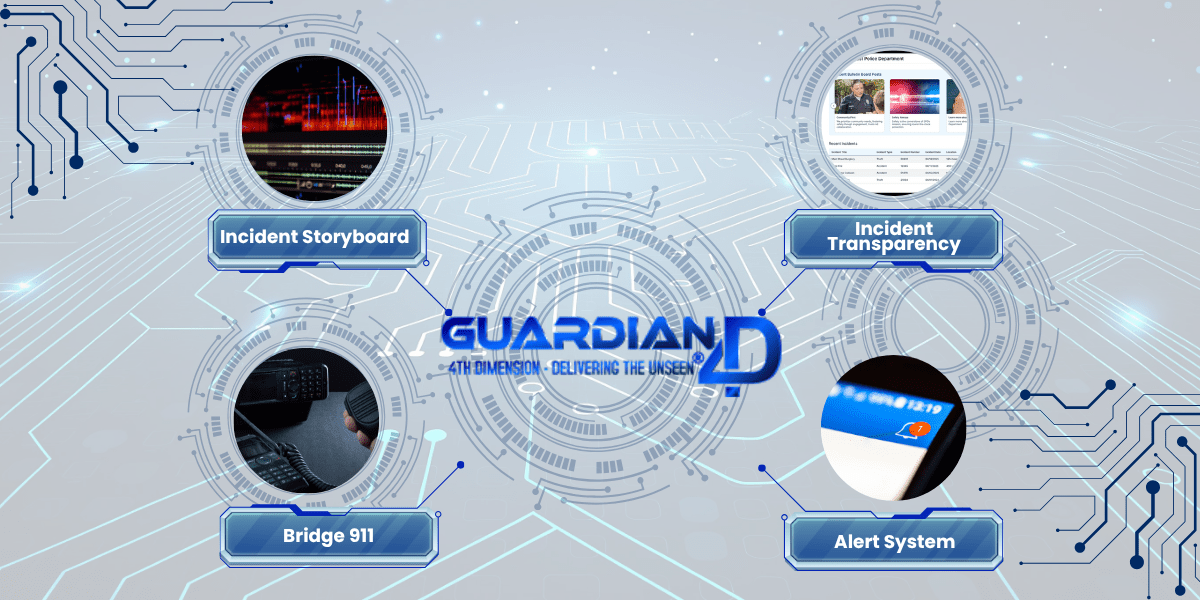
Incident Storyboard: Exemplifies this integrated approach by organizing incident media into spatial-temporal timelines that serve multiple purposes simultaneously. Investigators gain multi-perspective understanding of events, internal affairs teams can conduct thorough reviews, and agencies can create clear community presentations that explain what occurred during critical incidents. This unified capability transforms evidence from purely investigative materials into tools for community engagement and trust building.
Incident Transparency: Platforms provide agency-branded websites where departments can share appropriate incident information directly with communities. These platforms bypass social media speculation and misinformation by providing authoritative information from official sources. When combined with organized evidence presentations from Incident Storyboard, these platforms enable comprehensive community transparency that builds trust through clear, accurate information sharing.
Bridge 911: Capabilities extend community engagement beyond traditional evidence presentation to include direct communication channels. While evidence platforms organize and present incident information, Bridge 911 enables ongoing dialogue between agencies and communities, creating sustained relationships that strengthen public safety partnerships. This communication capability transforms evidence transparency from one-way information sharing to genuine community engagement.
Alert System: The alert system ensures that communities receive timely, accurate information about developing incidents, reducing reliance on social media speculation while building trust through consistent, transparent communication. When combined with evidence organization capabilities, this system enables agencies to provide both immediate information and comprehensive follow-up presentations that explain incident details and agency responses.
Guardian4D’s approach recognizes that modern digital evidence management extends beyond storage and investigation to encompass community relations, transparency initiatives, and trust building. By providing integrated platforms that serve investigative needs while enabling community engagement, Guardian4D transforms evidence from purely internal resources into tools for strengthening police-community partnerships.
Administrative efficiency features ensure that these enhanced capabilities don’t burden agency operations. Officers and commanders can manage community communications and evidence presentations directly from mobile devices, reducing IT requirements while maintaining comprehensive transparency and engagement capabilities.
The platform’s focus on community adoption rather than technical complexity ensures that transparency initiatives succeed through genuine community participation rather than technological sophistication alone. This approach recognizes that effective community engagement requires authentic relationship building supported by accessible, user-friendly technology.
Guardian4D’s integrated ecosystem demonstrates how modern digital evidence management can serve comprehensive public safety objectives. By combining evidence organization, community transparency, direct communication, and trust-building capabilities, the platform enables agencies to transform evidence management from reactive, internal processes to proactive community engagement strategies that strengthen public safety through enhanced police-community partnerships.
Transform Your Evidence Workflows with Community Engagement
Explore how Guardian4D can revolutionize your approach to digital evidence management through community transparency and engagement. From organized incident presentations to direct community communication, our platform transforms stored evidence into tools for trust building and strengthened police-community relationships.
Contact us for a personalized demo and discover how modern digital evidence management can serve both investigative excellence and community engagement objectives.
Visit Learn More to learn more about building community trust through transparency and innovative public safety technology.